Amplifiers, receivers and other components
The amplifier is the heart of an audio system. It is responsible for electronically shaping the signal that is sent to the speakers, allowing you to hear exactly what the artist intended in their composition.
Here you will find a carefully selected range of quality vintage amplifiers, receivers, turntables, and other audio decks.
On the rear panel, you’ll find speaker cable terminals and RCA inputs for connecting turntables, cassette decks, tuners, CD players, and more. Higher-end units typically offer a greater number of inputs.
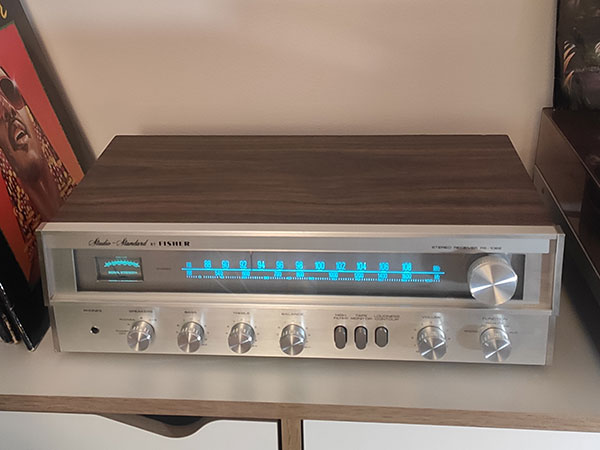
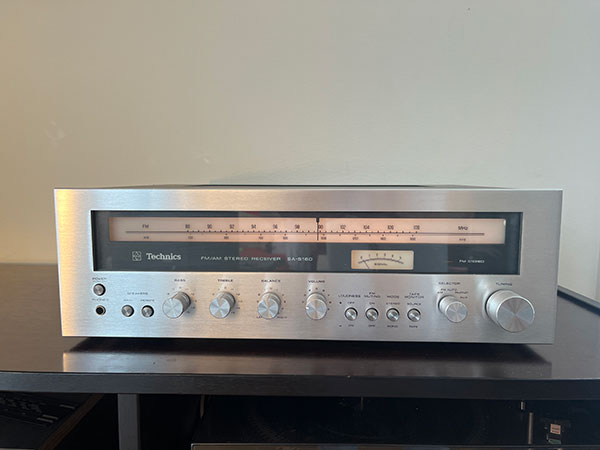
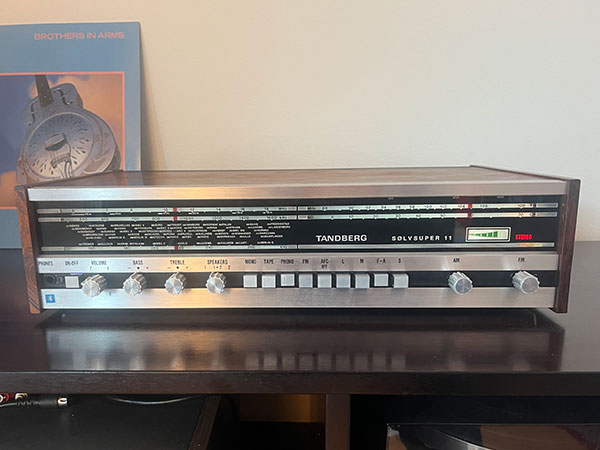
They are most easily recognized by their prominent FM/AM dial and large tuning knob used to move the radio pointer. The softly illuminated radio scale is the central visual element of the device and makes it a striking feature in any room. While the radio dial draws attention, it doesn’t mean radio is their primary function—receivers also house powerful amplifiers, often delivering over 100 watts of output.
The rear panel is identical to that of integrated amplifiers, featuring speaker outputs and inputs for external decks.
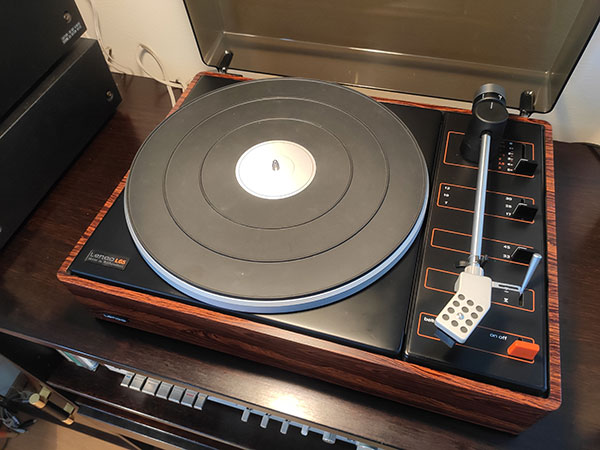
Every turntable comes with a basic set of controls and components: the stylus, cartridge, tonearm, the platter where the LP is placed, and speed selection (16, 33, 45, 75 RPM). That’s essentially it. Higher-end turntables offer additional controls and adjustment options.
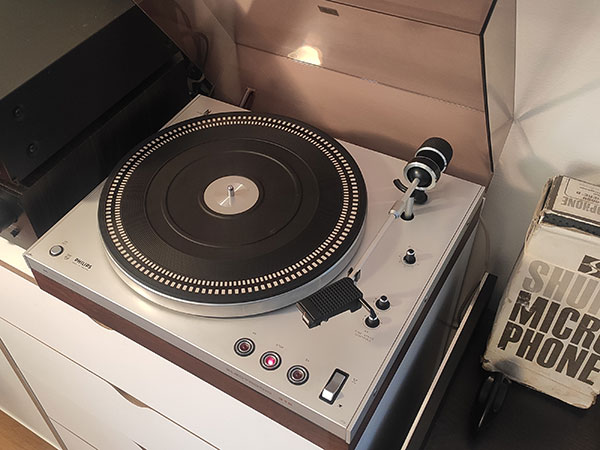 There are several types of turntables.
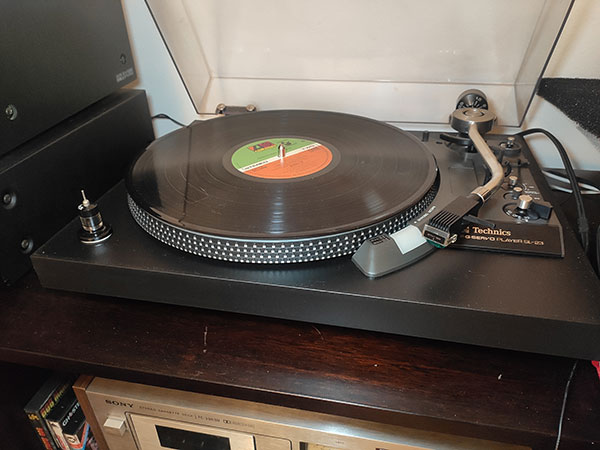
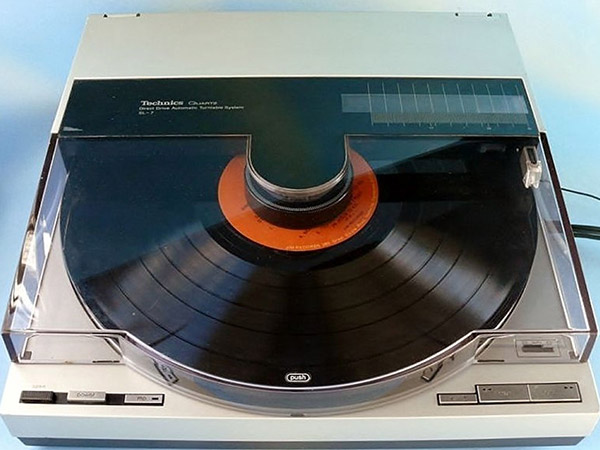
With direct drive systems, the rotation of the platter is electronically controlled. This was considered high-tech in the late 1970s. The most well-known representative of this design is Technics.
Automatic turntables can also be used manually, but they include a button which, when pressed, automatically moves the tonearm to the start of the first track and lowers the stylus onto the record. This type always includes an auto-return function.
Auto-return turntables are manual turntables that lift the tonearm and return it to its resting position at the end of the last track.
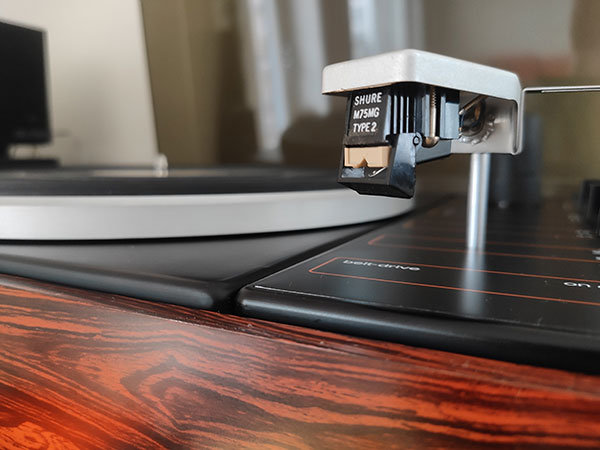
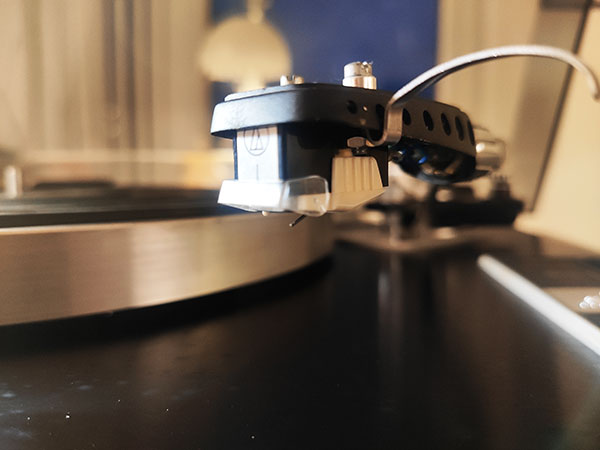
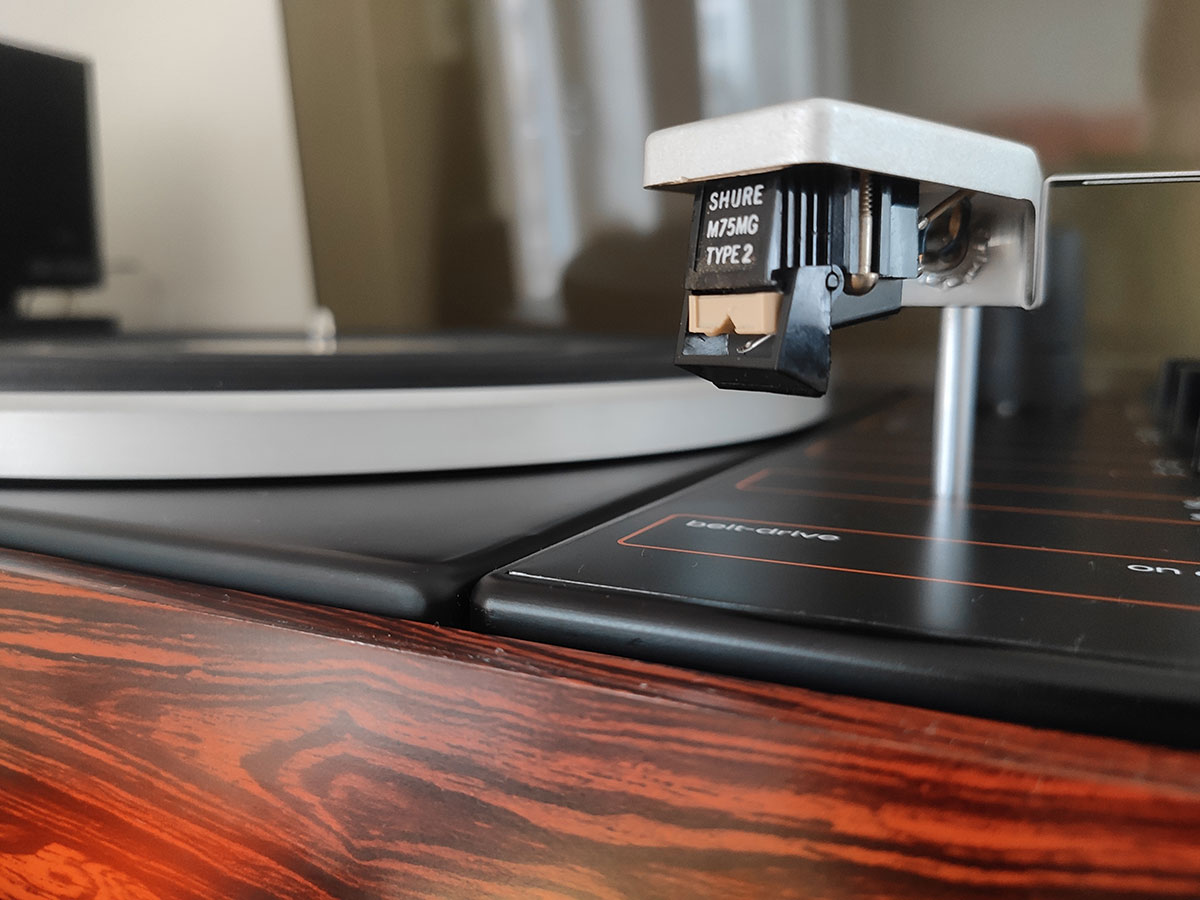
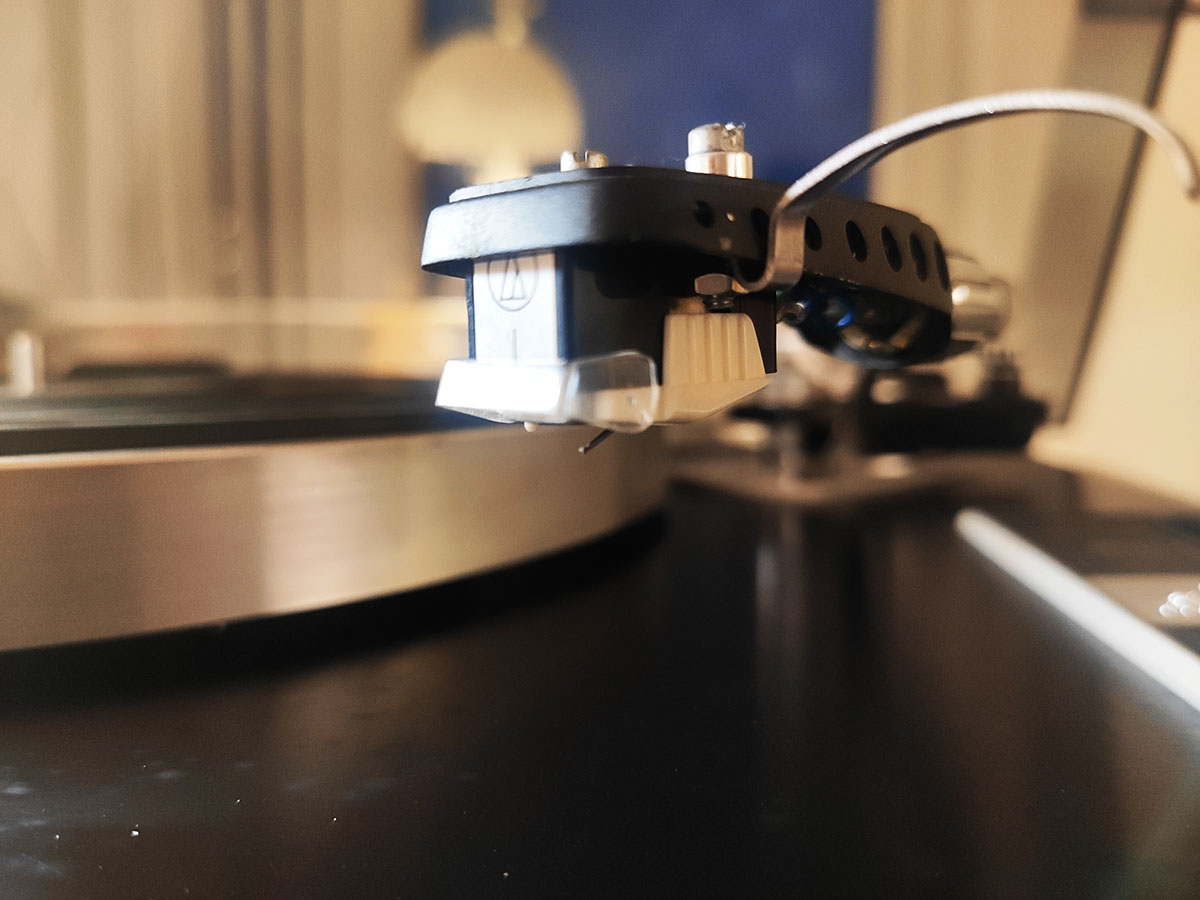
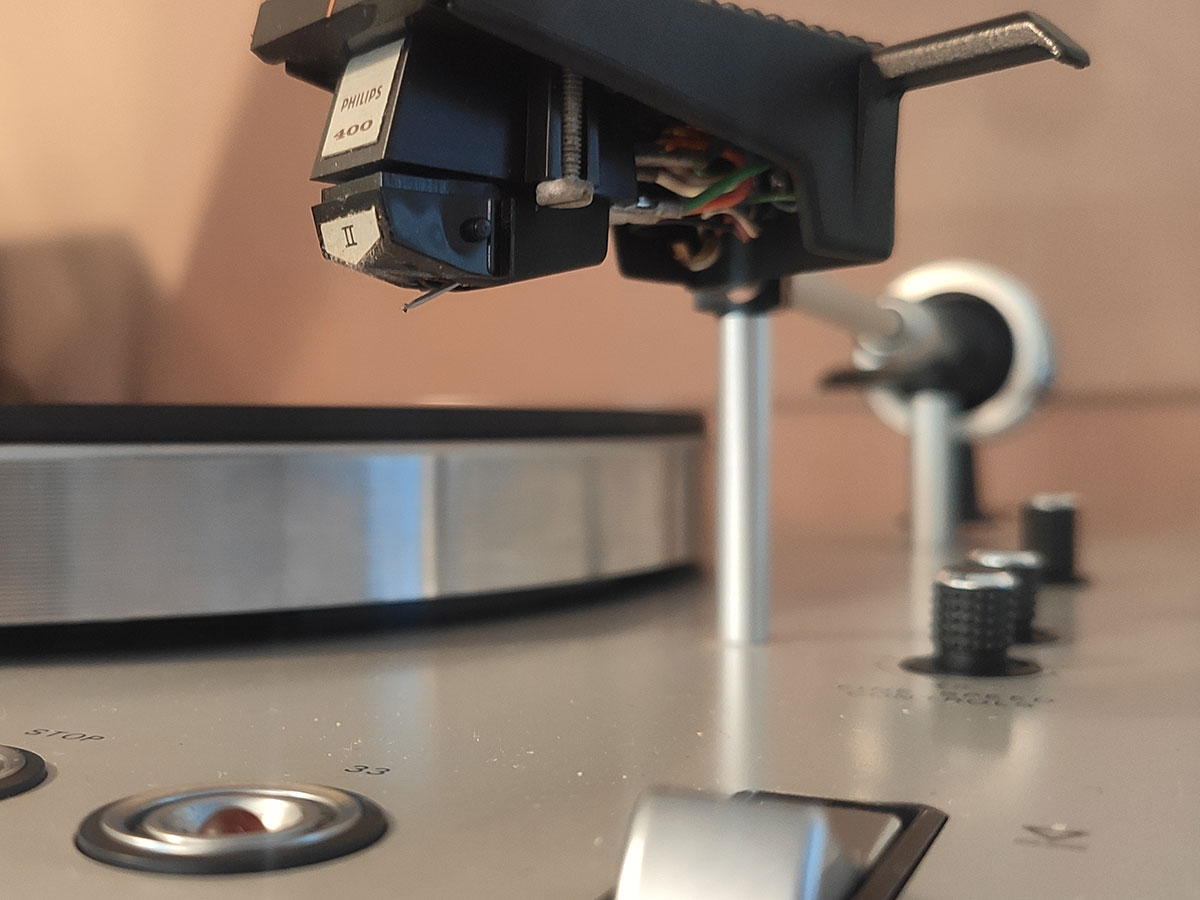
The cartridge is mounted to the underside of the headshell using screws.
The stylus is the part that comes into contact with the record and is fitted into the cartridge. The stylus must be compatible with the cartridge and is replaced once it becomes worn.
The entire headshell assembly can be detached from the tonearm (especially on S-shaped tonearms) and transferred to another turntable.

All reputable amplifier manufacturers also had a strong lineup of high-quality cassette decks.
Cassette decks first appeared in the mid 1960s. During the first few years, manufacturers experimented with different cassette-loading mechanisms, but the door-loading system quickly proved to be the most practical and became the standard. This is often the first visual cue by which you can recognize a cassette deck.
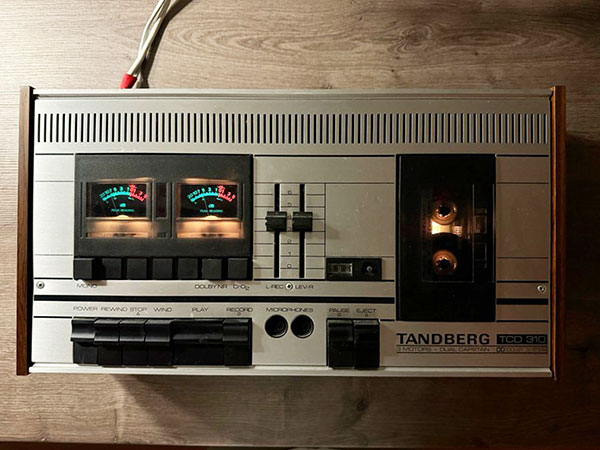
They almost always feature two large front-panel microphone inputs (left and right channels), often accompanied by VU meters that display the signal level being read from the tape. On the rear panel, you’ll find an output to the amplifier and RCA or DIN inputs for connecting another player used for recording onto cassette. Cassette deck design eras
Cassette decks can be visually grouped into three main design periods::
In the end, as long as a cassette deck is fully functional, the period it comes from doesn’t really matter. It’s a matter of personal taste and where you plan to place it.
Here you will find a carefully selected range of quality vintage amplifiers, receivers, turntables, and other audio decks.
Integrated amplifier
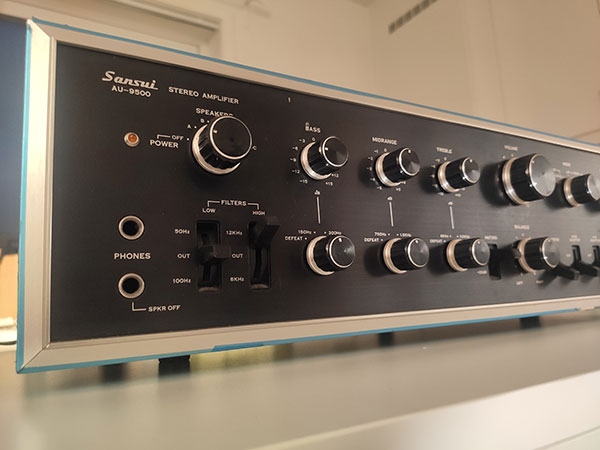
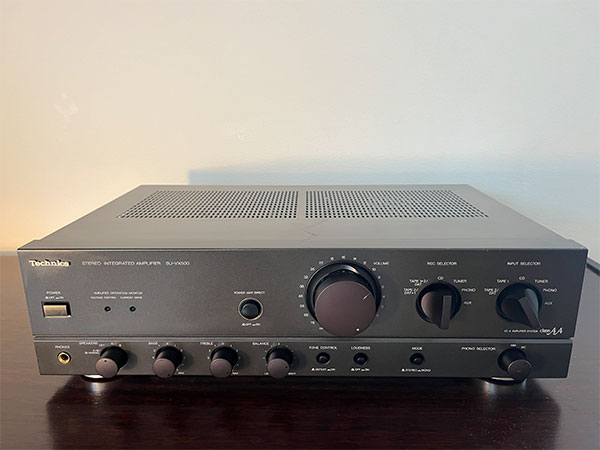
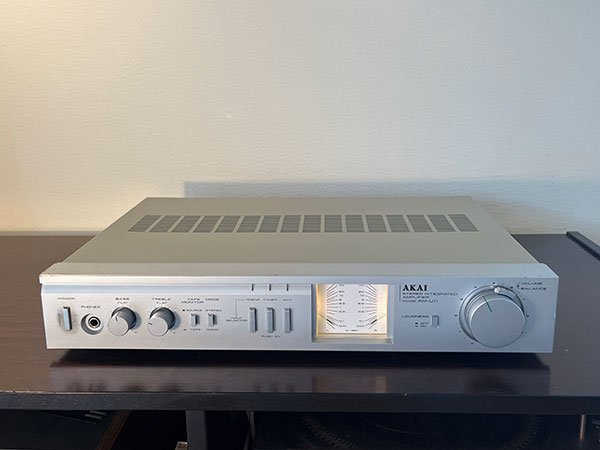
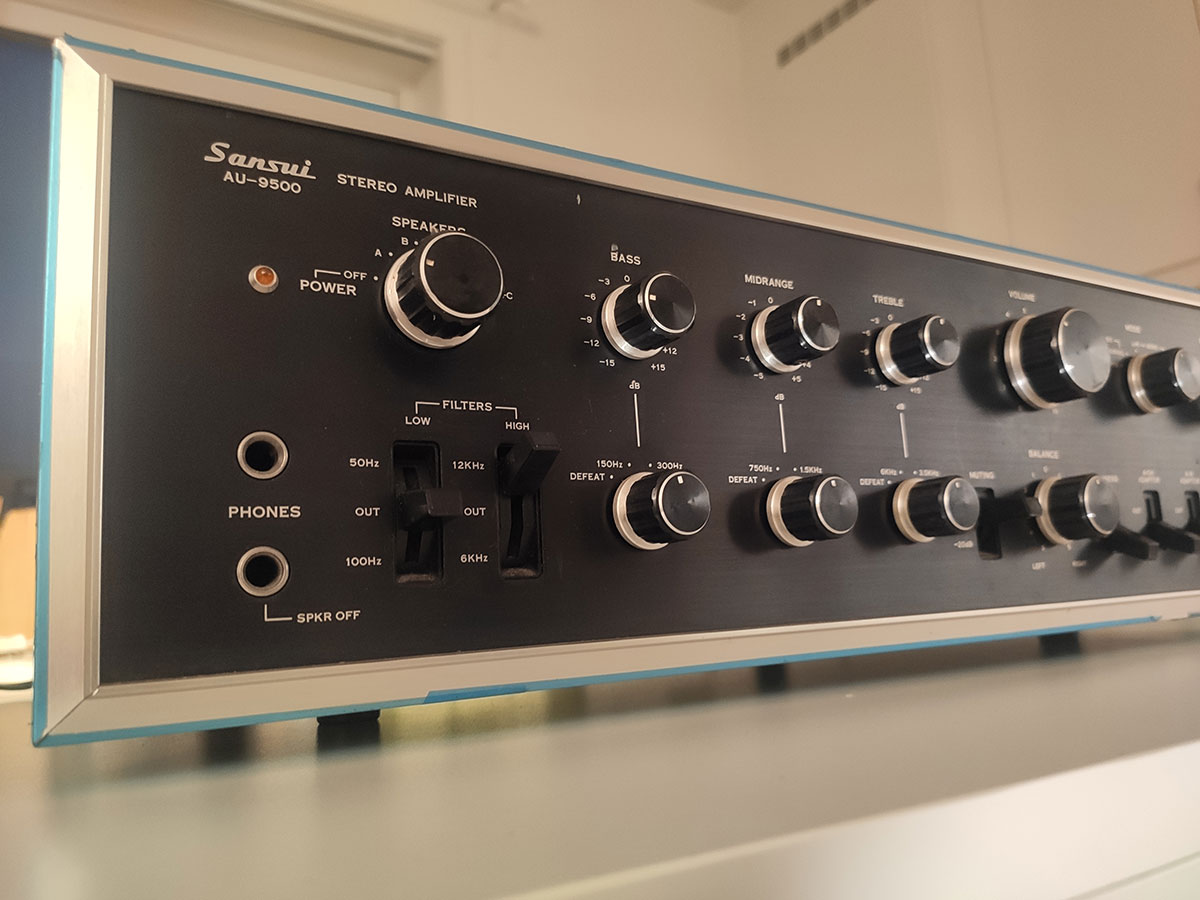
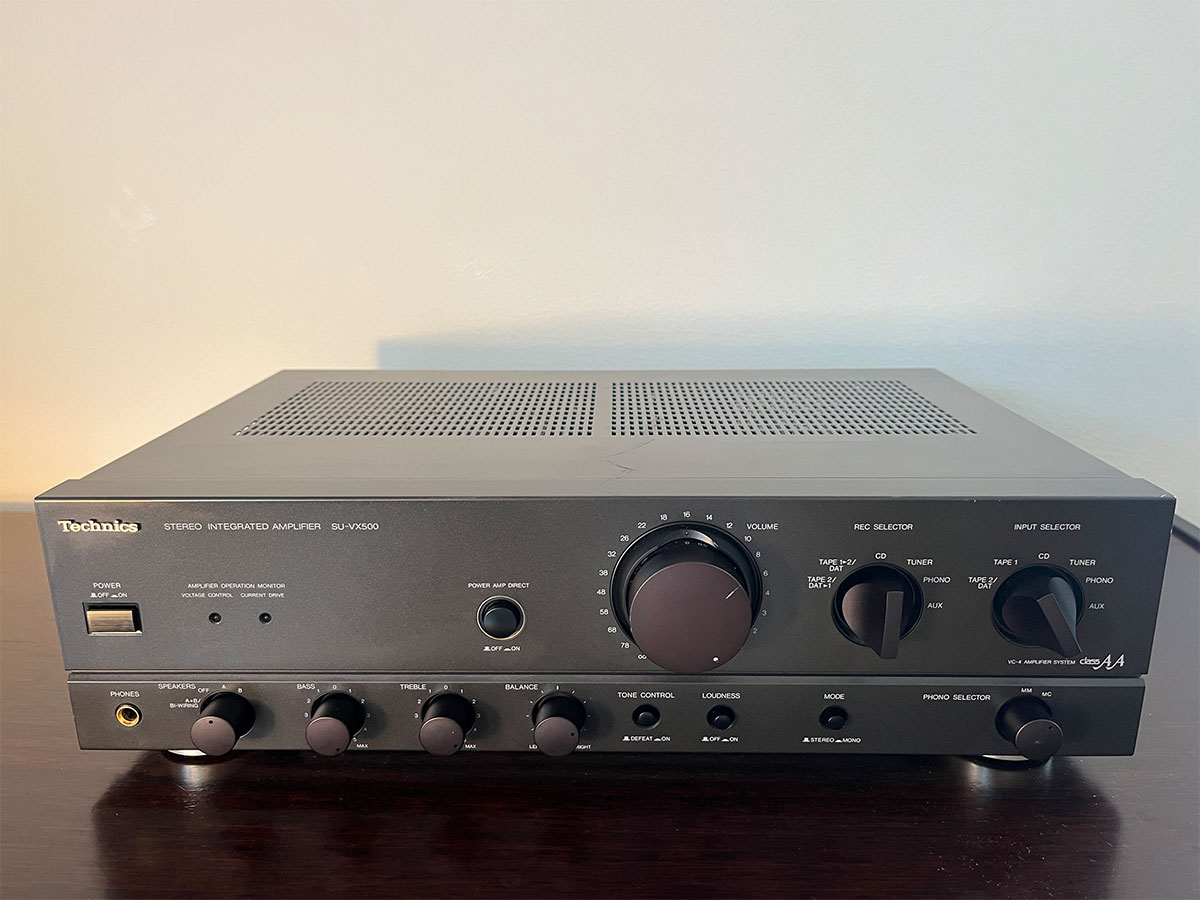
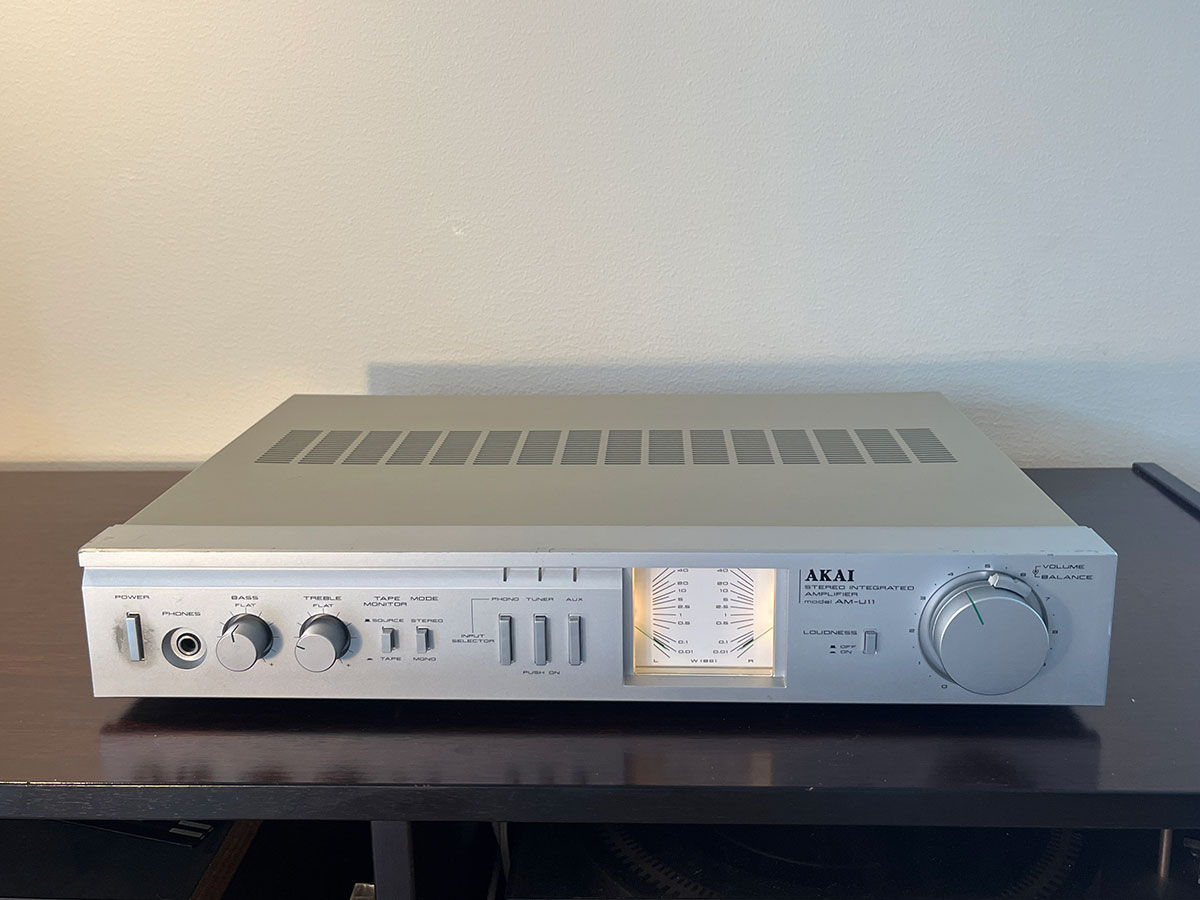
An integrated amplifier is a device designed primarily as an amplifier and does not include a built-in radio tuner (FM/AM). These units often feature a compact aluminum front panel and lack FM/AM scales and radio control buttons. Higher-quality amplifiers are often equipped with two analog VU meters, allowing you to visually experience the flow of electrical energy that produces the sound currently being played. Be warned—watching the VU meter needles can be highly hypnotic :-).On the rear panel, you’ll find speaker cable terminals and RCA inputs for connecting turntables, cassette decks, tuners, CD players, and more. Higher-end units typically offer a greater number of inputs.
Receiver
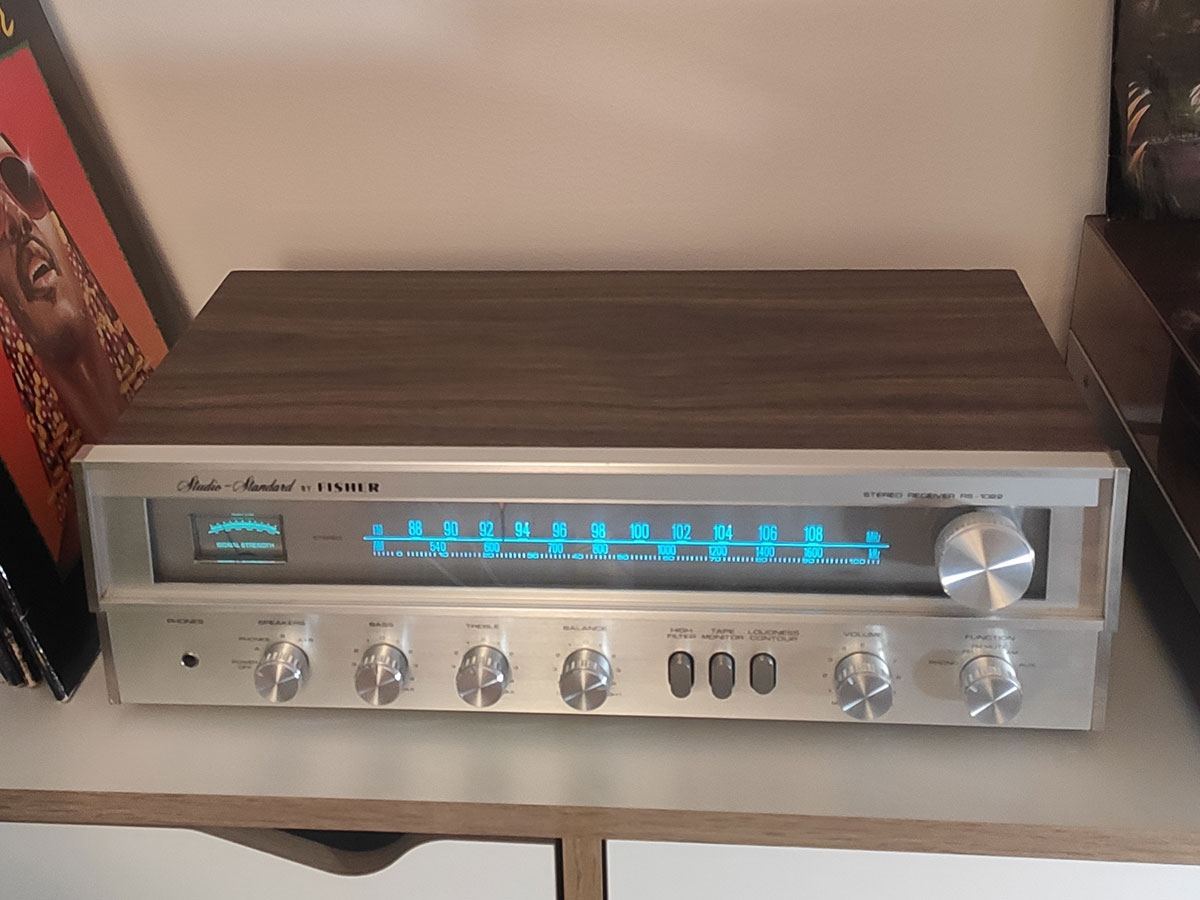
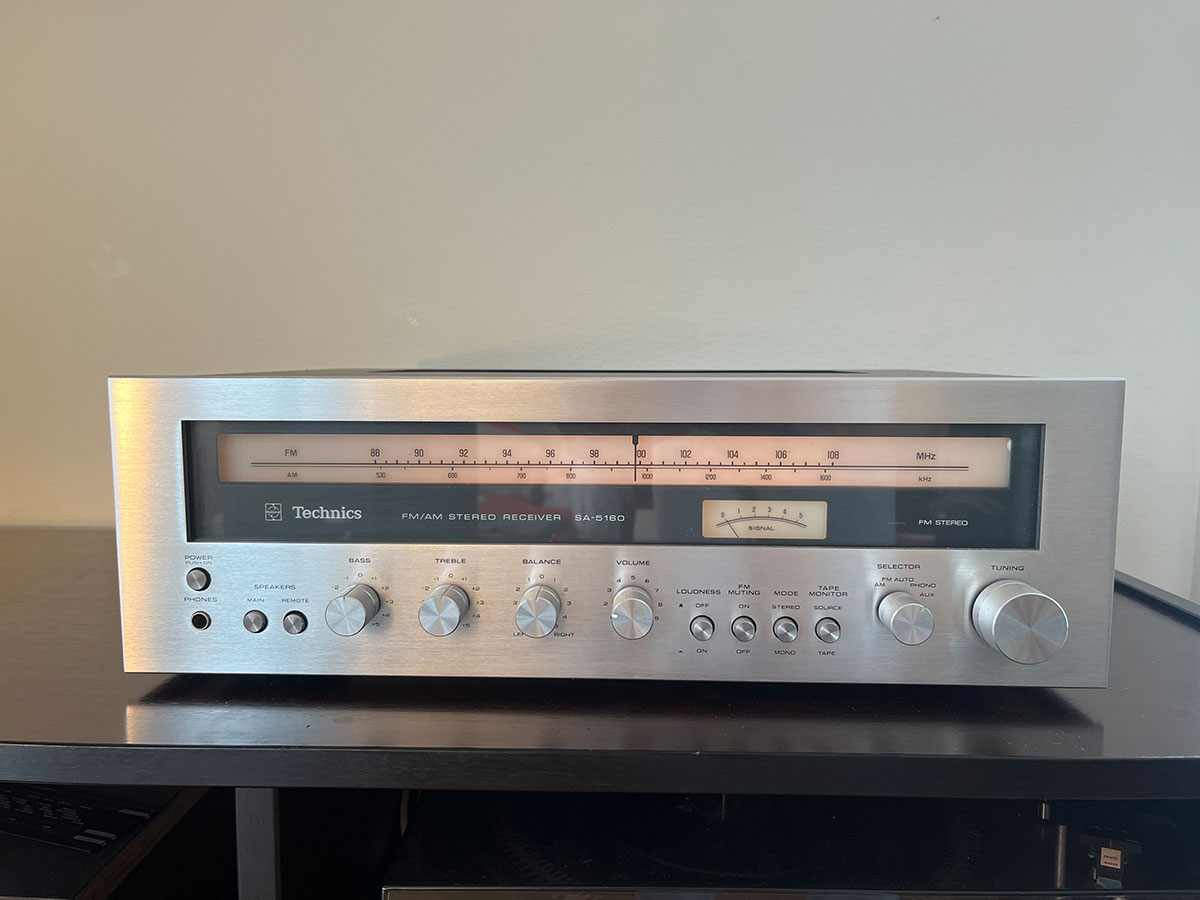
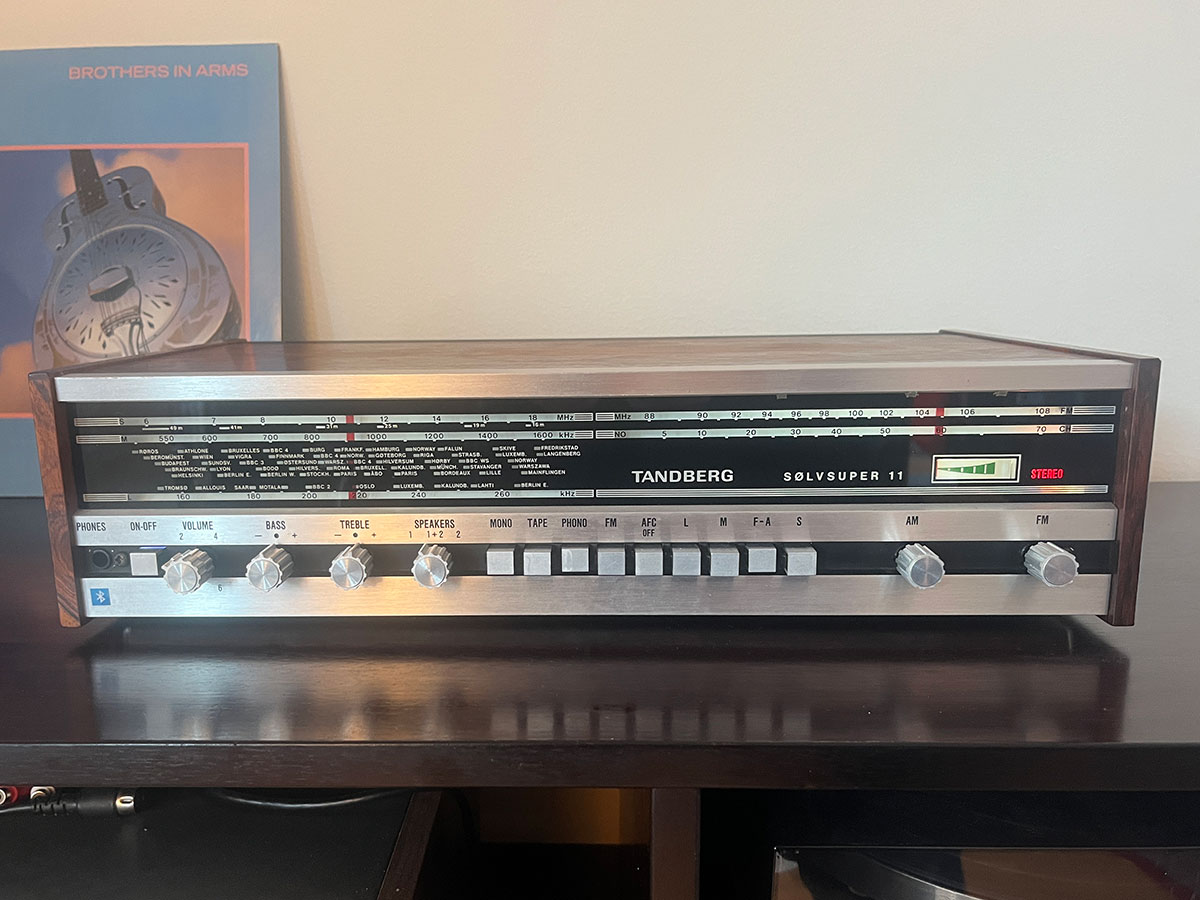
Receivers are amplifiers with a built-in radio tuner.They are most easily recognized by their prominent FM/AM dial and large tuning knob used to move the radio pointer. The softly illuminated radio scale is the central visual element of the device and makes it a striking feature in any room. While the radio dial draws attention, it doesn’t mean radio is their primary function—receivers also house powerful amplifiers, often delivering over 100 watts of output.
The rear panel is identical to that of integrated amplifiers, featuring speaker outputs and inputs for external decks.
Turntables
Music feels nowhere as physically present as when you’re holding an LP record in your hands. The subconscious feeling that you might be touching the very instrument on which the artist composed the music creates a unique sense of enjoyment and connection.Every turntable comes with a basic set of controls and components: the stylus, cartridge, tonearm, the platter where the LP is placed, and speed selection (16, 33, 45, 75 RPM). That’s essentially it. Higher-end turntables offer additional controls and adjustment options.
Belt Drive and Direct Drive
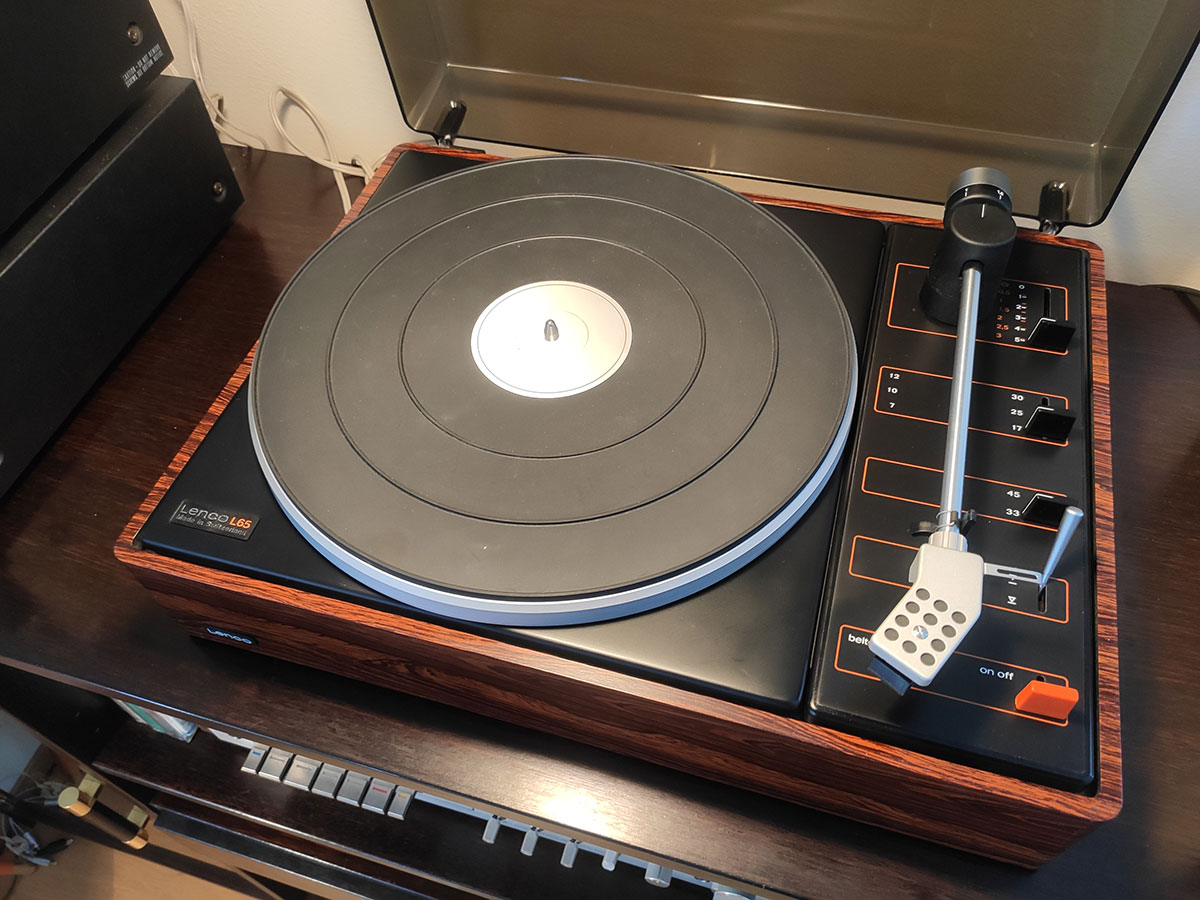
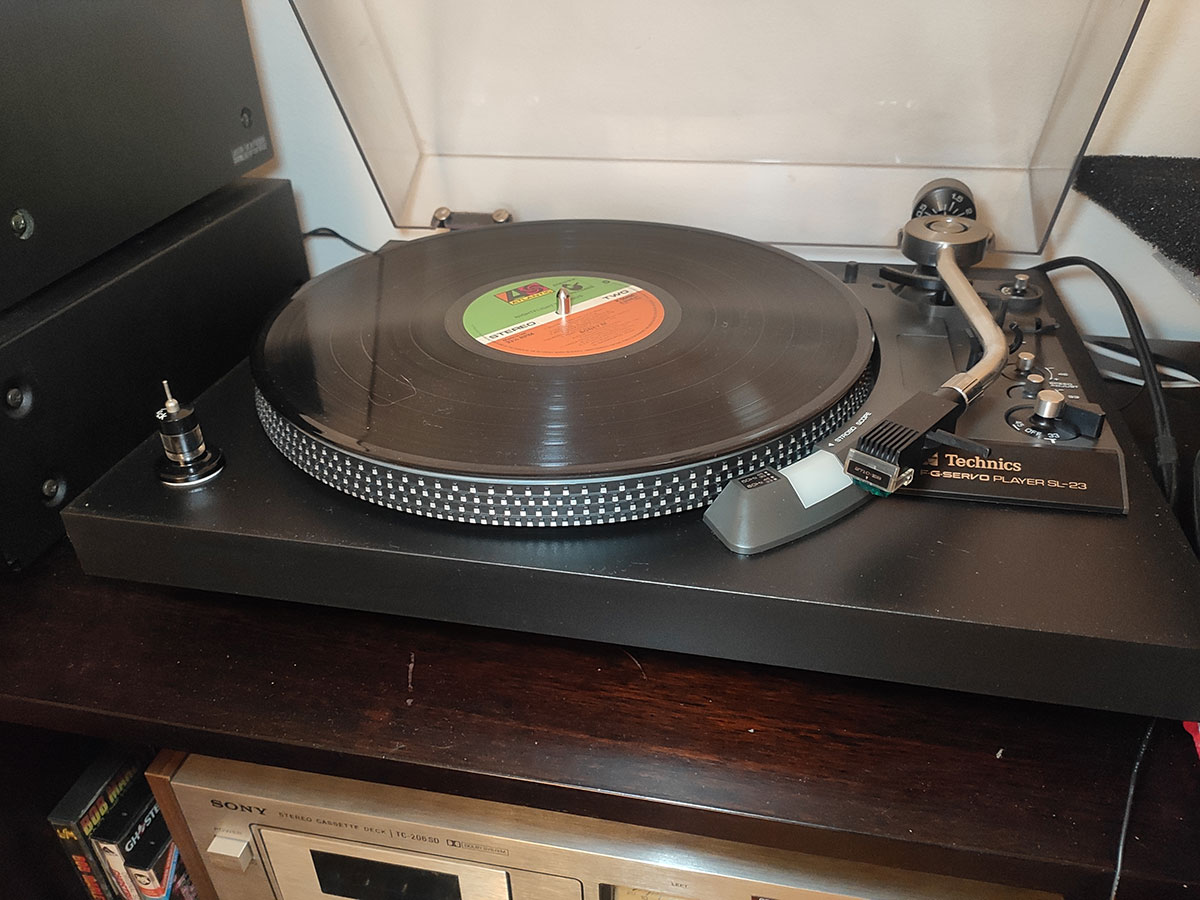
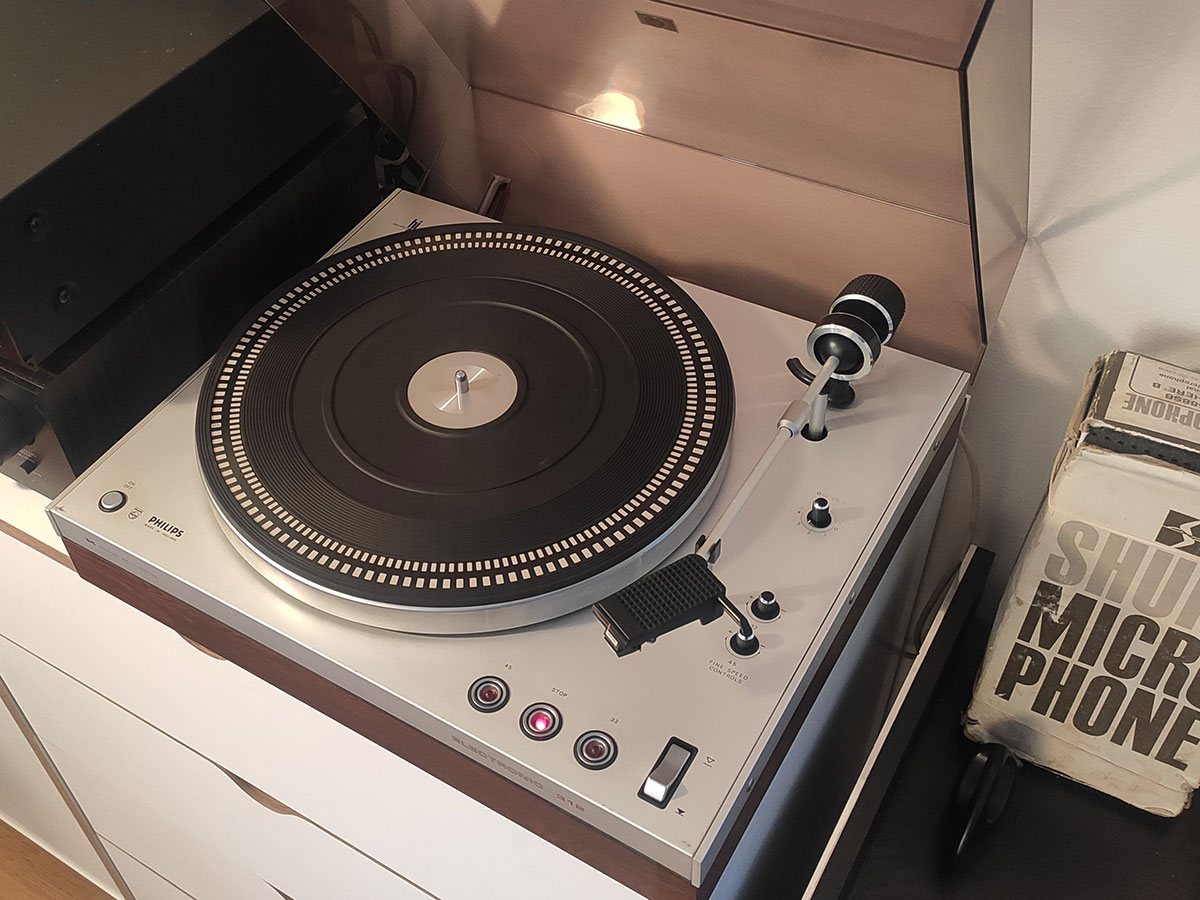
With belt-driven turntables, the belt simply needs to be replaced after many years of use.With direct drive systems, the rotation of the platter is electronically controlled. This was considered high-tech in the late 1970s. The most well-known representative of this design is Technics.
Manual, Automatic, and Auto-Return
With manual turntables, you must lift the tonearm yourself and position the stylus above the track you want to play.Automatic turntables can also be used manually, but they include a button which, when pressed, automatically moves the tonearm to the start of the first track and lowers the stylus onto the record. This type always includes an auto-return function.
Auto-return turntables are manual turntables that lift the tonearm and return it to its resting position at the end of the last track.
Pivoted and Linear Tracking
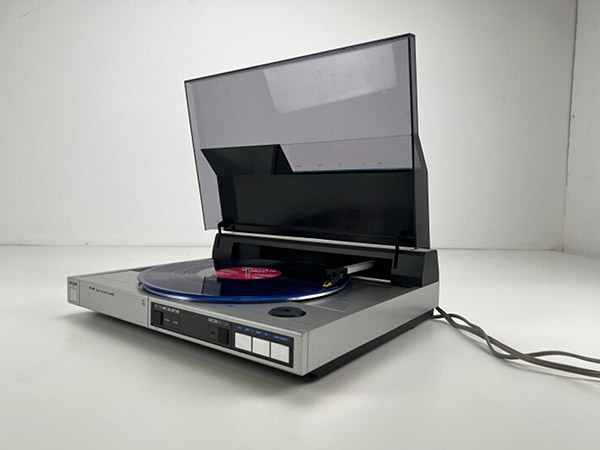
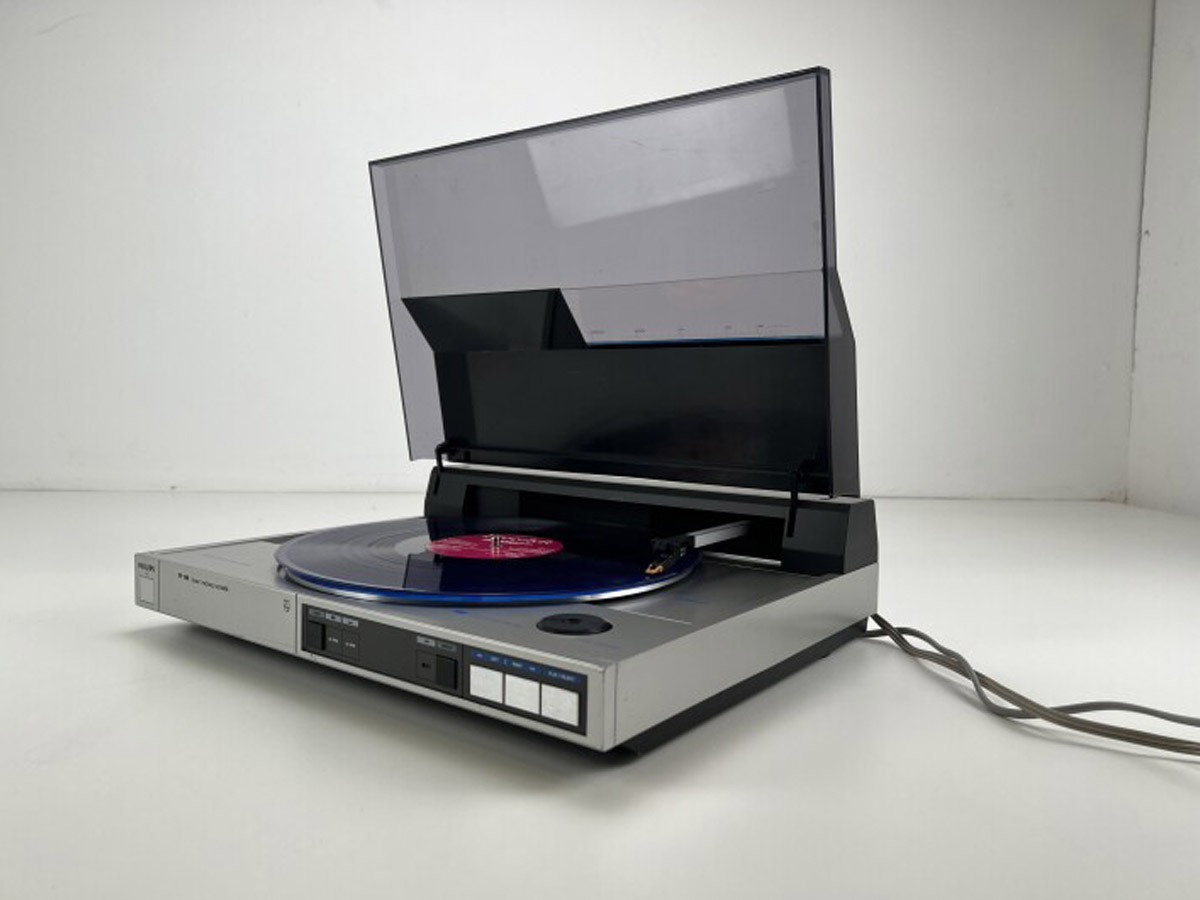
Most of us are familiar with traditional pivoted (circular) turntables, as this is how we generally perceive them. Linear-tracking turntables do not use a rotating arc; instead, the tonearm moves in a straight, linear motion.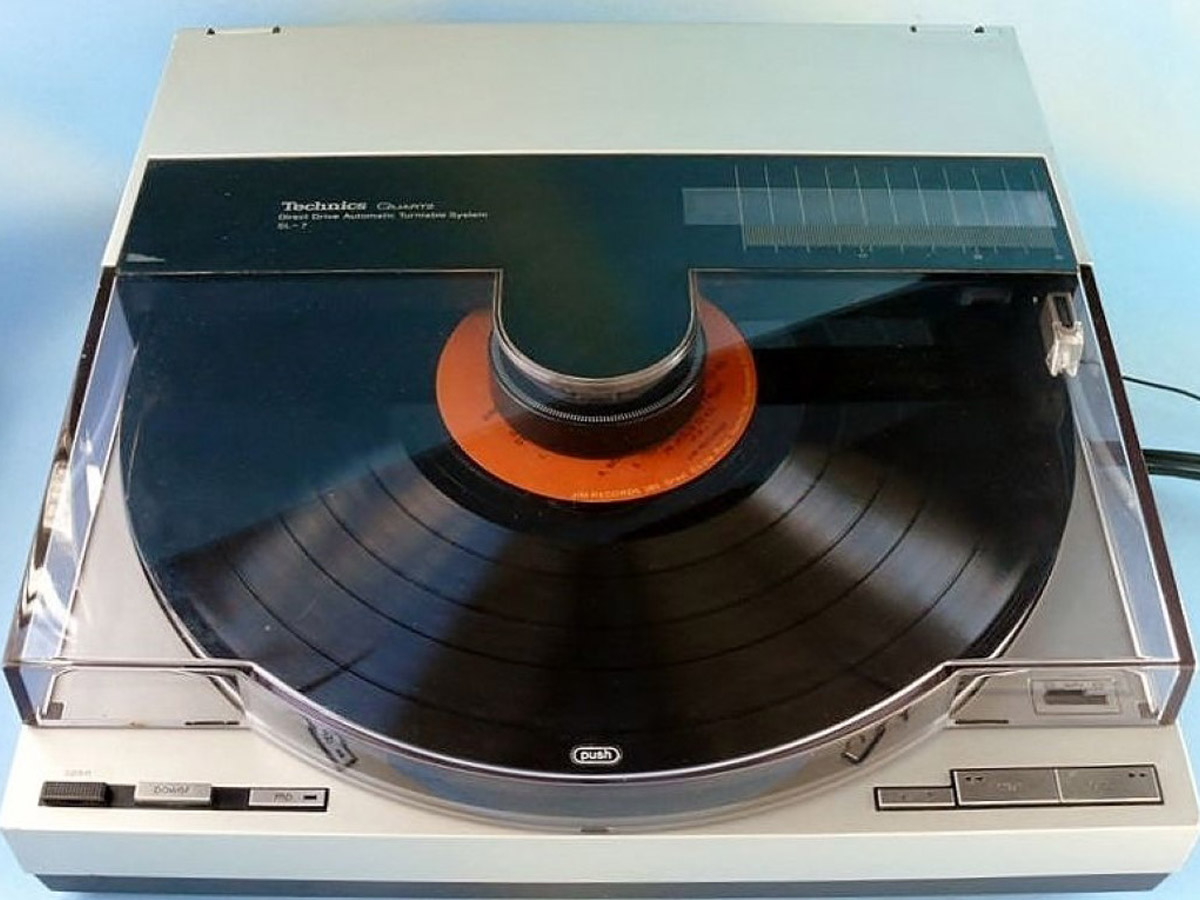
Headshell, Cartridge, and Stylus
The headshell is the often beautiful, sometimes shiny aluminum component at the end of the tonearm that you lift with your finger.The cartridge is mounted to the underside of the headshell using screws.
The stylus is the part that comes into contact with the record and is fitted into the cartridge. The stylus must be compatible with the cartridge and is replaced once it becomes worn.
The entire headshell assembly can be detached from the tonearm (especially on S-shaped tonearms) and transferred to another turntable.
Cassette Decks
Many people still remember cassette tapes, cassette decks, and Walkmans. Although cassette tapes largely disappeared in the mid-1990s with the mass adoption of CDs, people, perhaps for emotional reasons, kept them and still listen to them today. As with LPs and other physical media, cassette tapes offer a special sense of closeness to the artist and the music. Combined with the hands-on involvement required to play a tape, this creates a pleasant, engaging experience that many truly enjoy.All reputable amplifier manufacturers also had a strong lineup of high-quality cassette decks.
Cassette decks first appeared in the mid 1960s. During the first few years, manufacturers experimented with different cassette-loading mechanisms, but the door-loading system quickly proved to be the most practical and became the standard. This is often the first visual cue by which you can recognize a cassette deck.
They almost always feature two large front-panel microphone inputs (left and right channels), often accompanied by VU meters that display the signal level being read from the tape. On the rear panel, you’ll find an output to the amplifier and RCA or DIN inputs for connecting another player used for recording onto cassette. Cassette deck design eras
Cassette decks can be visually grouped into three main design periods::
1. Standalone units
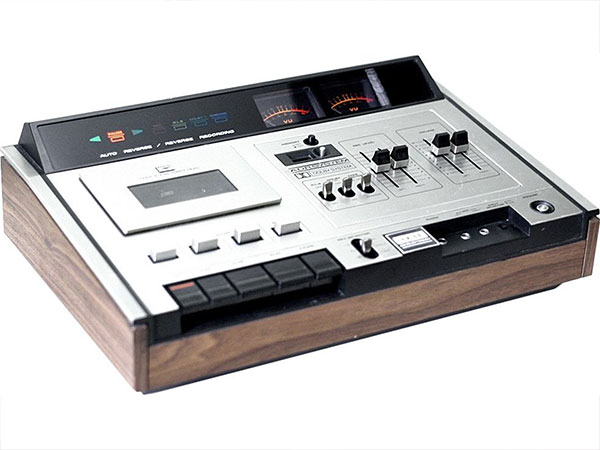
Early 1970s. Before the concept of stacking components into a vertical system became common, the few audio devices found in a home were separated, each occupying its own surface on the furniture. These units often have non-standard dimensions by today’s standards and were frequently positioned vertically.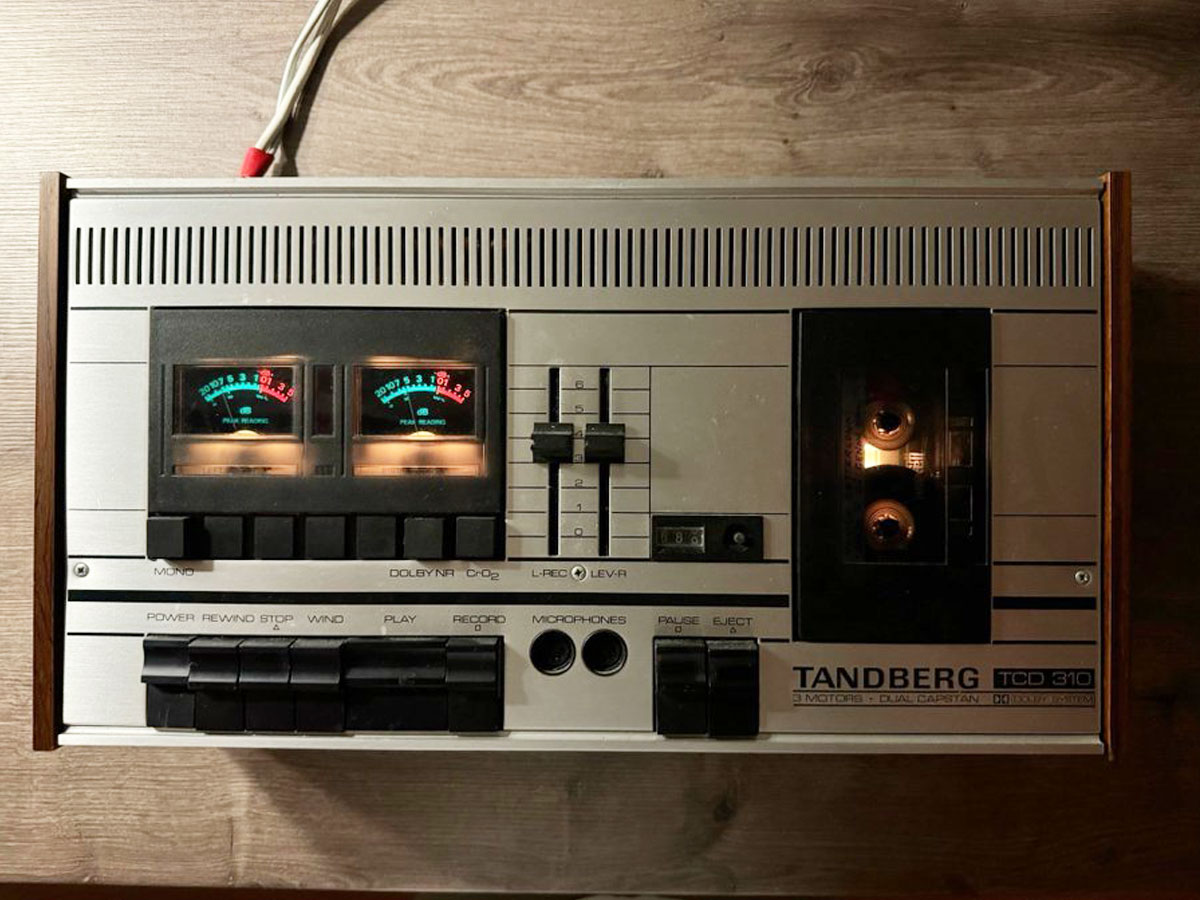
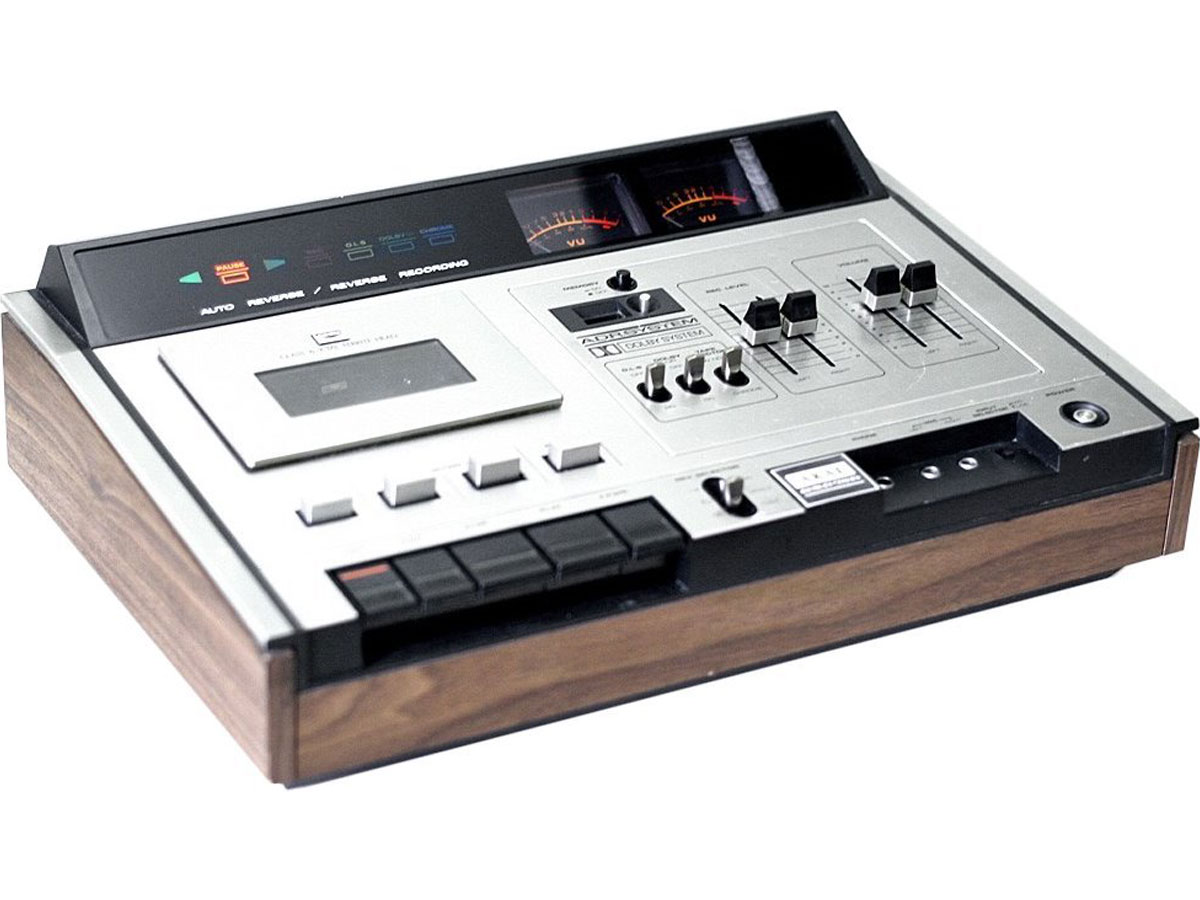
2. 1975-1980
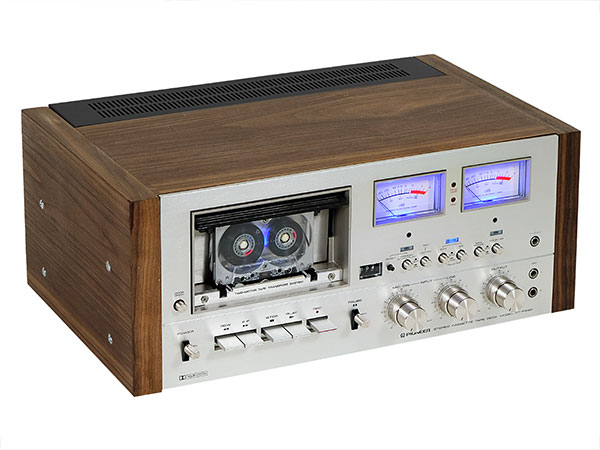
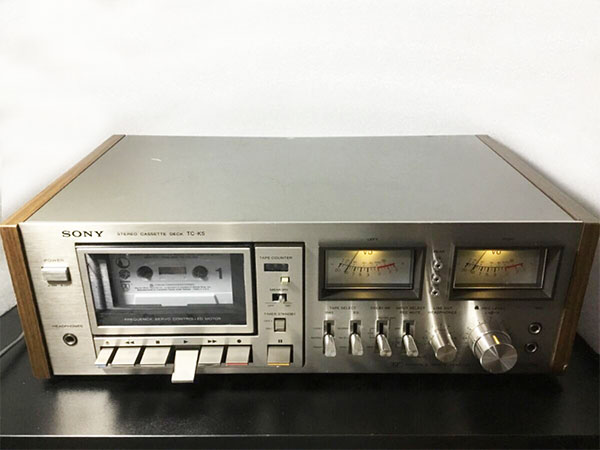
These cassette decks featured mechanical buttons for REC, Play, Stop, Fast Forward, and more. They typically had aluminum front panels, metal controls, a solid, heavy construction, and wooden cabinets. Two VU meters were the central visual element and immediately drew attention. Aside from a few indicator lamps, lighting was minimal. Everything was focused on creating a massive, imposing device.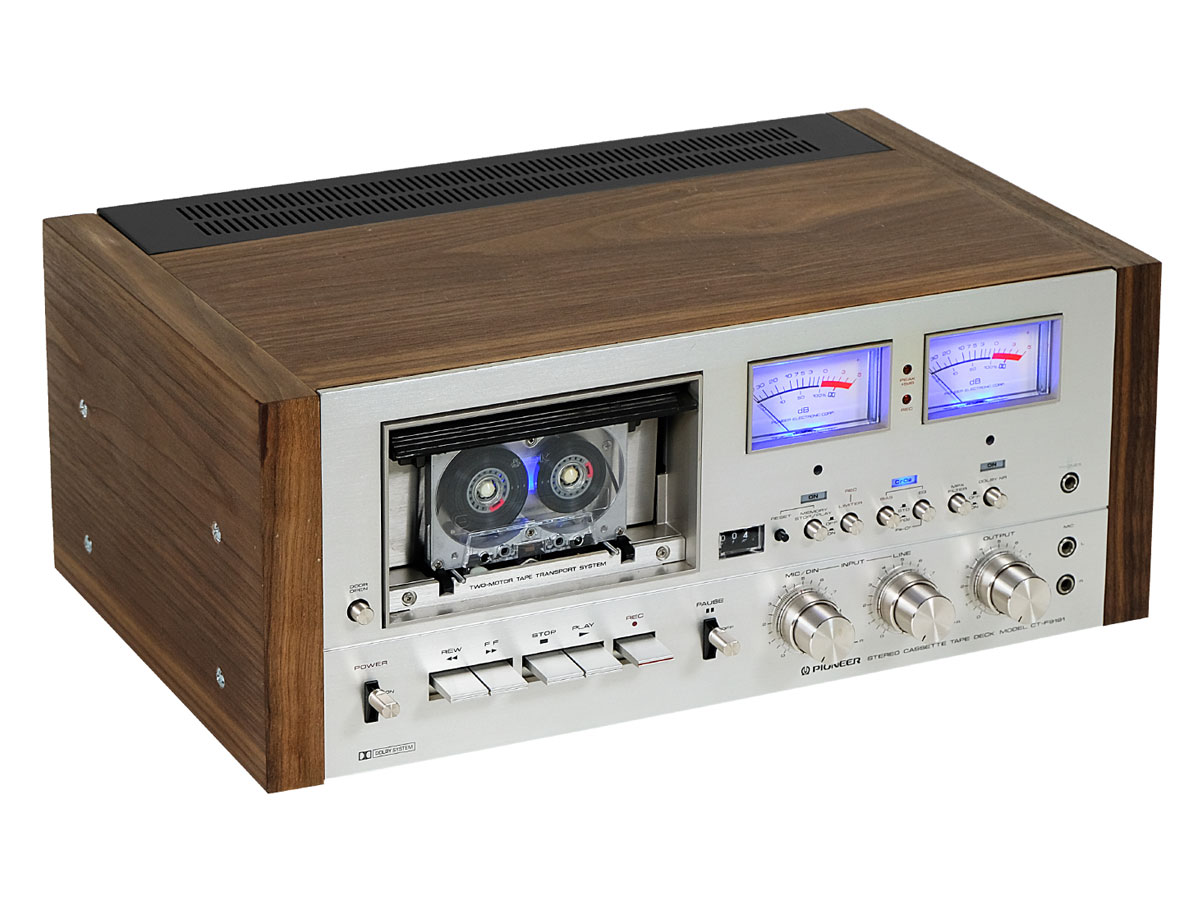

3. 1980 to the present
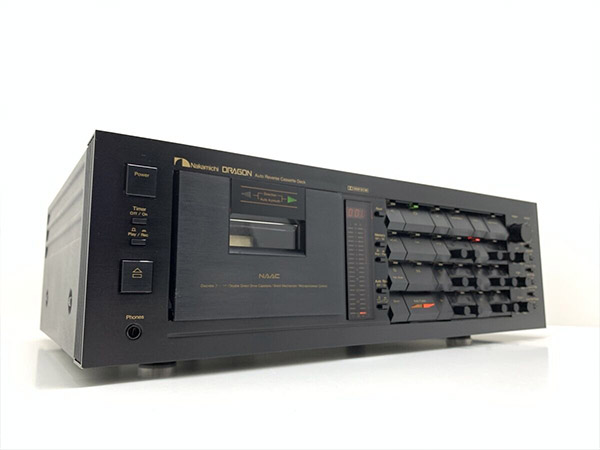
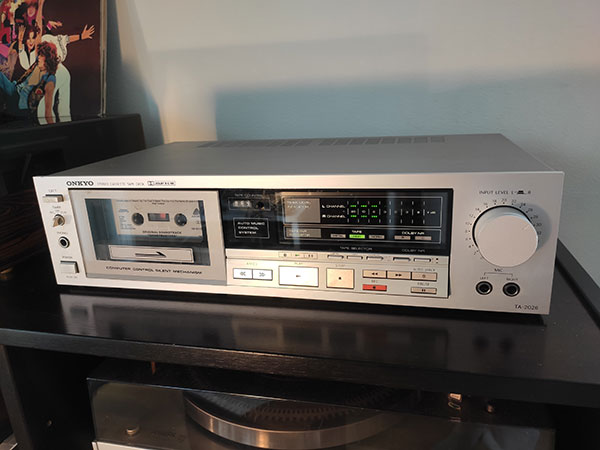
Due to the economic pressures of the early 1980s and the need to reduce costs, newer cassette decks replaced large knobs and aluminum front panels with electronic buttons, displays, and numerous LED indicators. New technology also introduced additional playback and listening features such as automatic track search, various counters, and memory functions. These decks are characterized by the black front panels that dominated the 1980s and continued into later decades.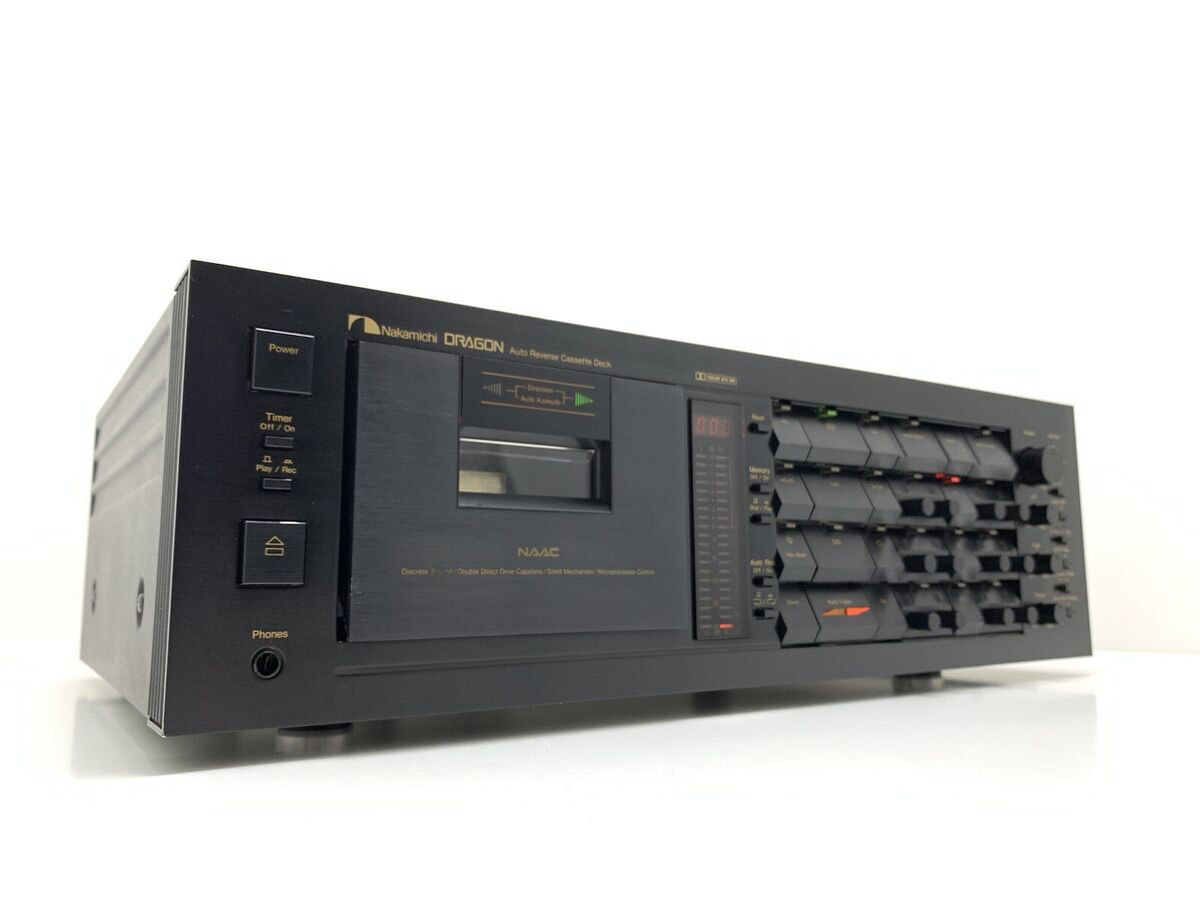
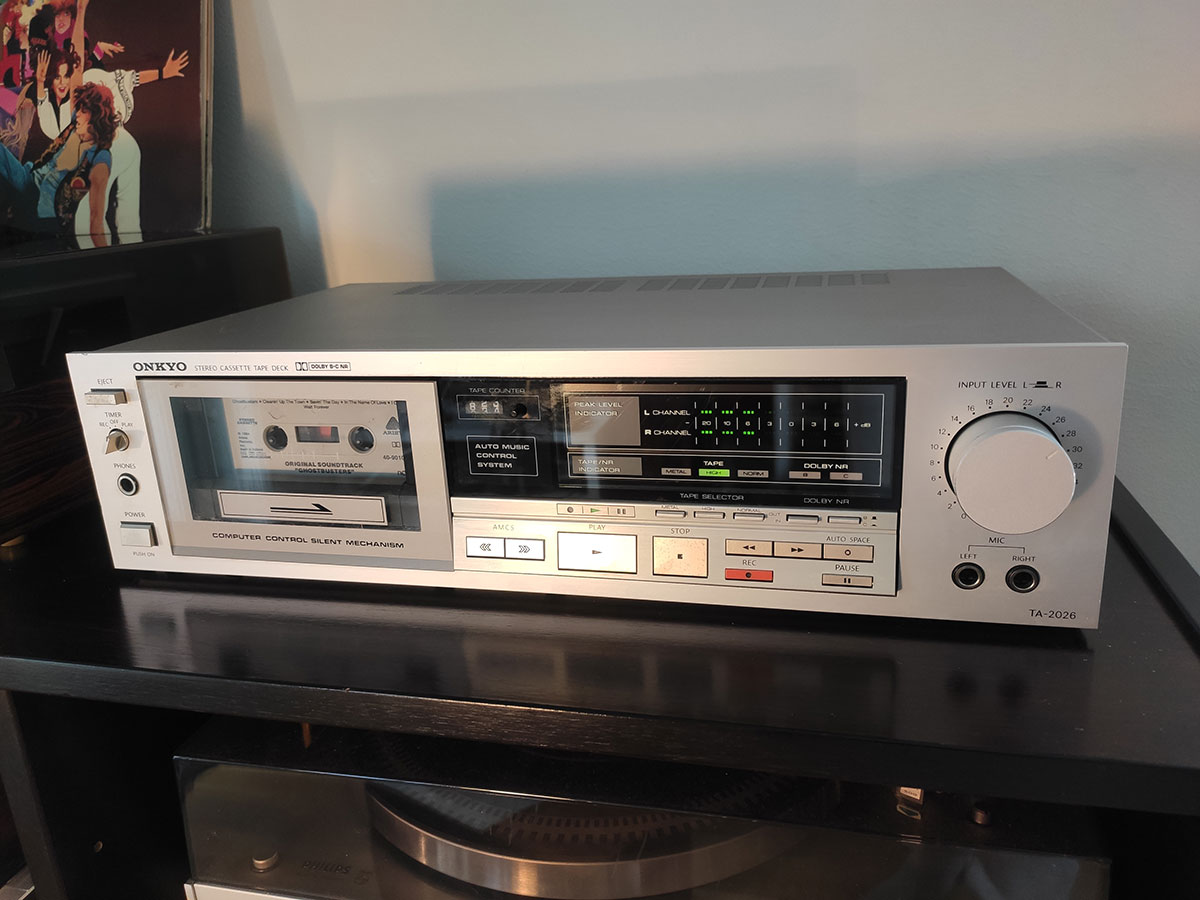
In the end, as long as a cassette deck is fully functional, the period it comes from doesn’t really matter. It’s a matter of personal taste and where you plan to place it.